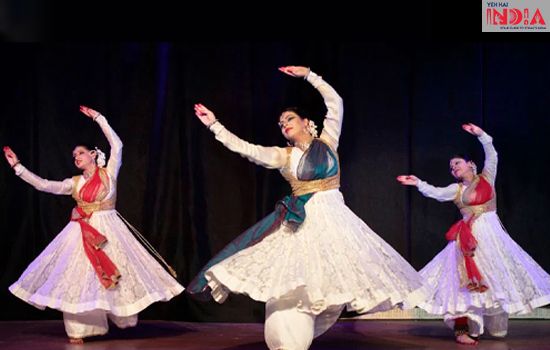
What is Kathak ?
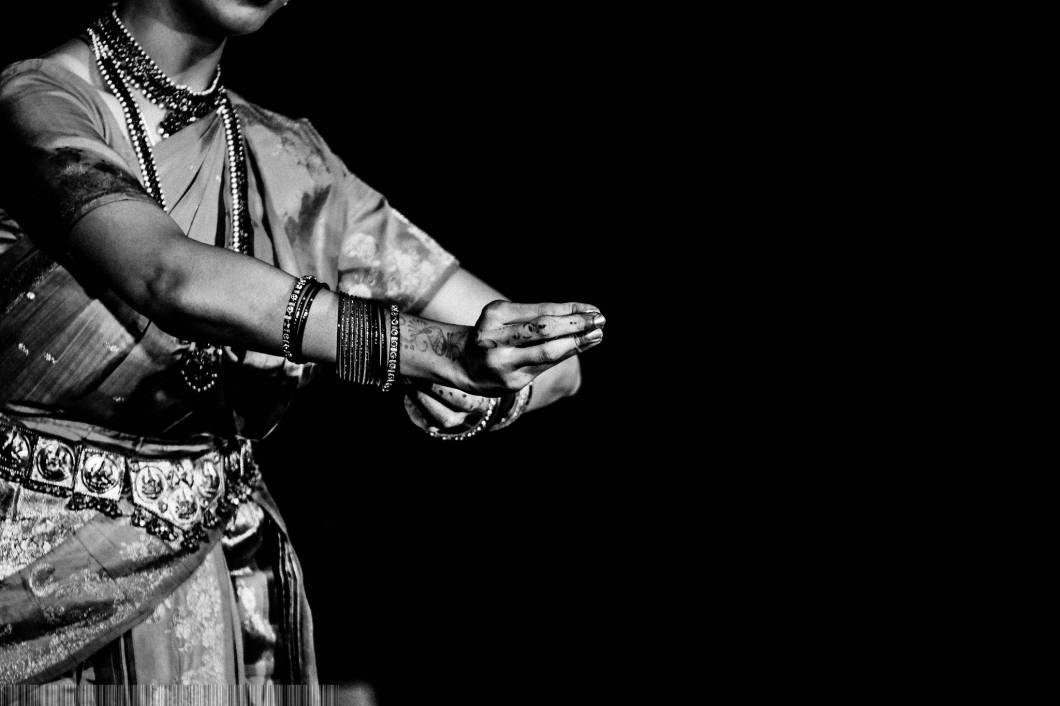
Kathak is one of the most popular Indian Classical Dance. The origin of Kathak is from Ancient Northern India.
From where did Kathak originate?
The term Kathak is derived from the ‘Sanskrit’ word ‘katha‘ which means story and ‘kathakar‘ which means storyteller.
Kathakars tells stories of Great Mahabharata, Ramayan and Traditional Mythology through music and dance.
When it became Popular ?
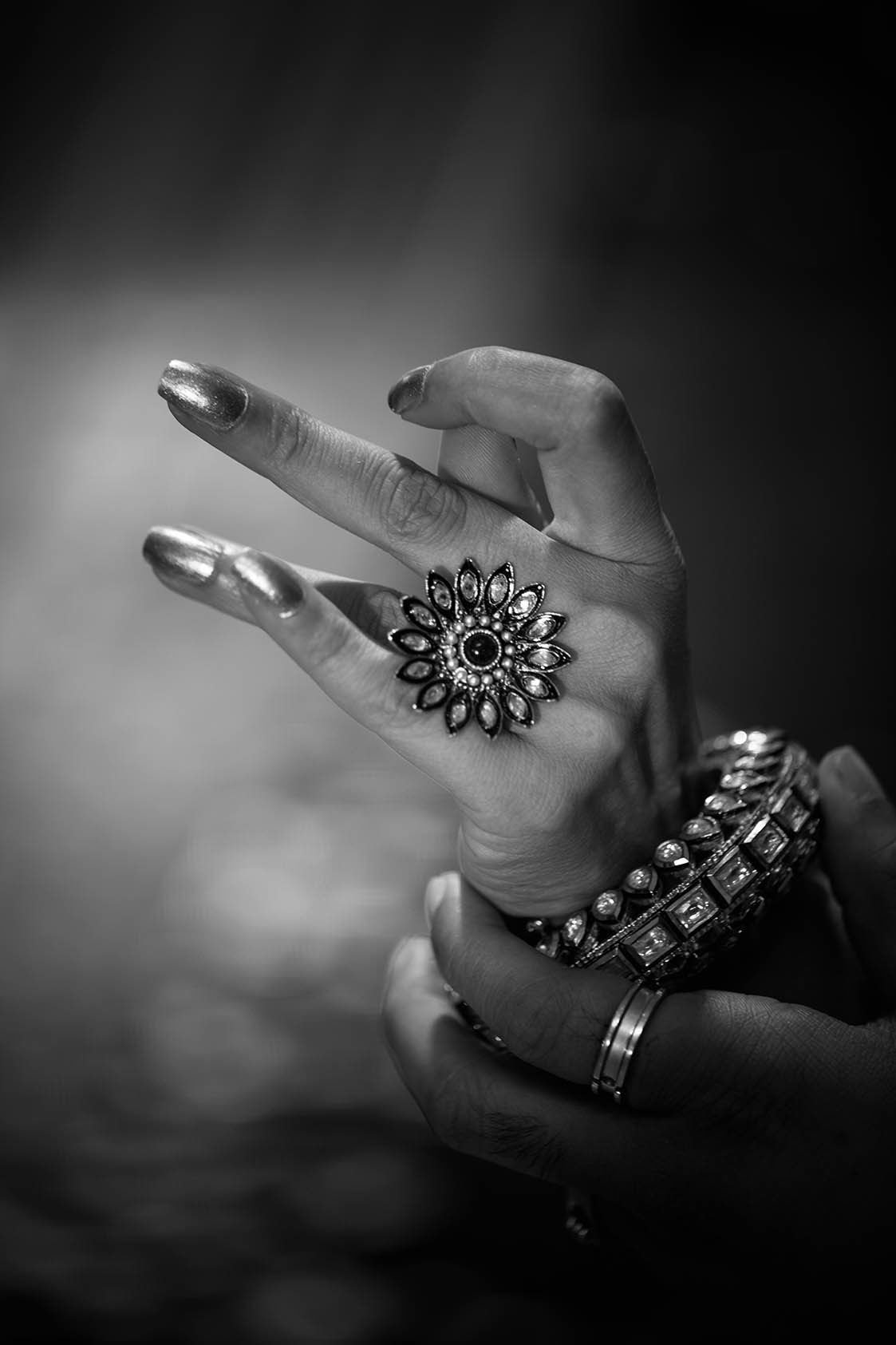
Kathak has got popularity in the Early 20th Century through Kalkaprasad Maharaj. Kathak evolved during Bhakti Movement by stories of Hindu God Krishna.
Kathak is unique as it was having both Hindu and Muslim cultural elements. It was also get popular by the time of Mughal Empire.
Diversification Of Kathak : GHARANAS
Gharanas are the places where Kathak diversify in various forms. Kathak is found in three distinct forms called three Gharanas.
- Jaipur Gharana
- Banaras Gharana
- Lucknow Gharana
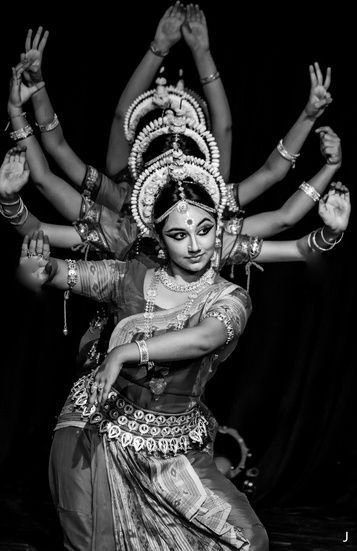
The Jaipur Gharana focuses more on Foot Movements.
The Lucknow Gharana and Banaras Gharana focuses more on Facial expressions and graceful hand movements.
Lucknow Gharana of Kathak was founded by Ishwari Prasad, a devotee of Bhakti Movement.
Ustad Alladiya Khan, who founded the Jaipur Gharana, wrote many a bandish on the Hindu gods.
The Benares gharana was founded by Kirtankars in the 13th century and revived by Siddheshwari Devi, Rasoolan Bai, Badi Moti Bai, Mahadev Mishra, and Girija Devi (mid-20th century).
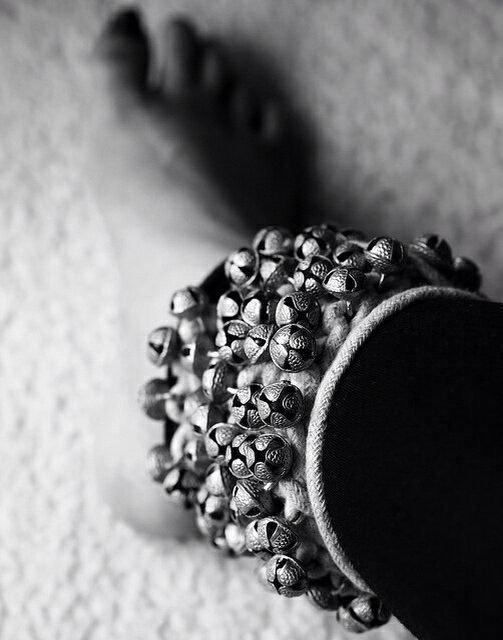
Kathak includes Rythmic bells (Ghungroo) which a dancer have to tie in their foot at the time of Nritya.
The nrityakar’s Legs, his/her Facial expressions, Hand movements(hastaakar), his/her Uper and Lower Body Movements, Bends of nrityakar, all should be proper and meaningful.
Costumes Of Kathak Nritya
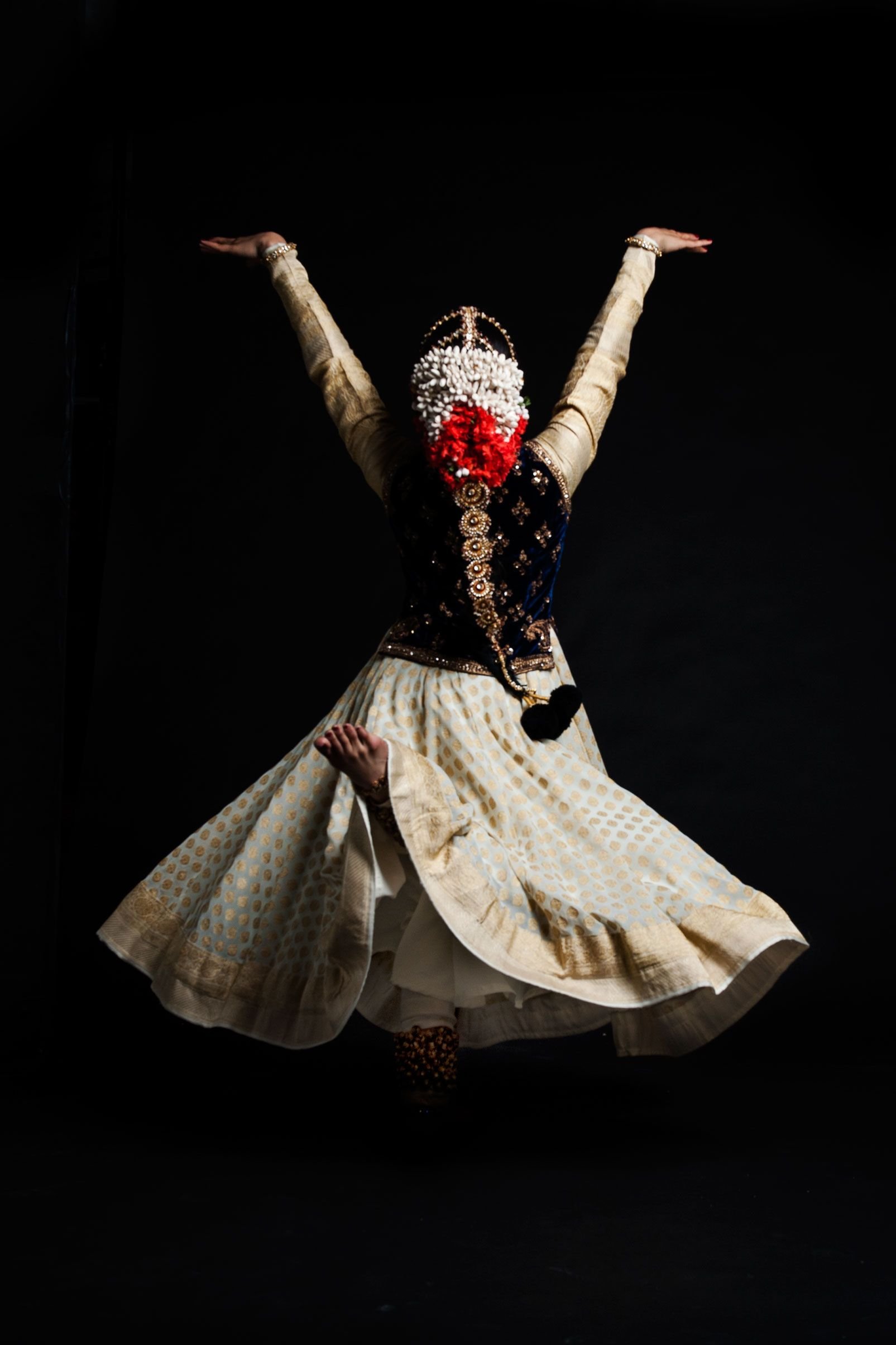
Kathak is popular in both cultures, in Hindu as well as in Muslim.
HINDU COSTUMES There are two types of Hindu Costumes for Female Dancers
- A long Skirt with a Choli and a urhni.
- Saari with a Choli/Blouse and a Scarf.
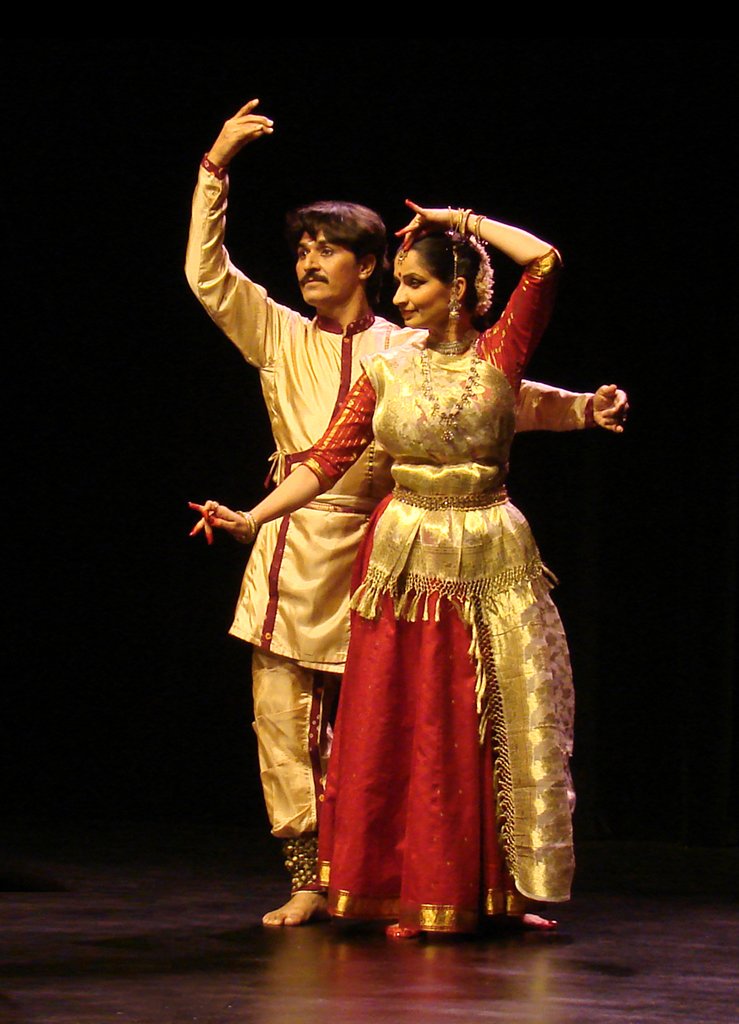
Costume is complimented with Traditional Jwellery of Gold on Hairs, Nose, Neck, Ear and Hands. Anklets of leather straps with Small Bells.
A Look of well Face Make-up is also given to highlight the dancer in Kathak Nritya.
Costume For Male Dancers For Male Dancers a Silk Dhoti with a Scarf and a Loose Jacket.
Jwellery for Male dancers is quite
in comparison to Female Dancers and made up of Stone.
Muslim Costumes
A Skirt with a fitting Trouser called Churidar pyjama, a Scarf, and a Long Coat.
A Light Jwellery is also wear to make the looking of costume graceful.
 Indulging In Something New